
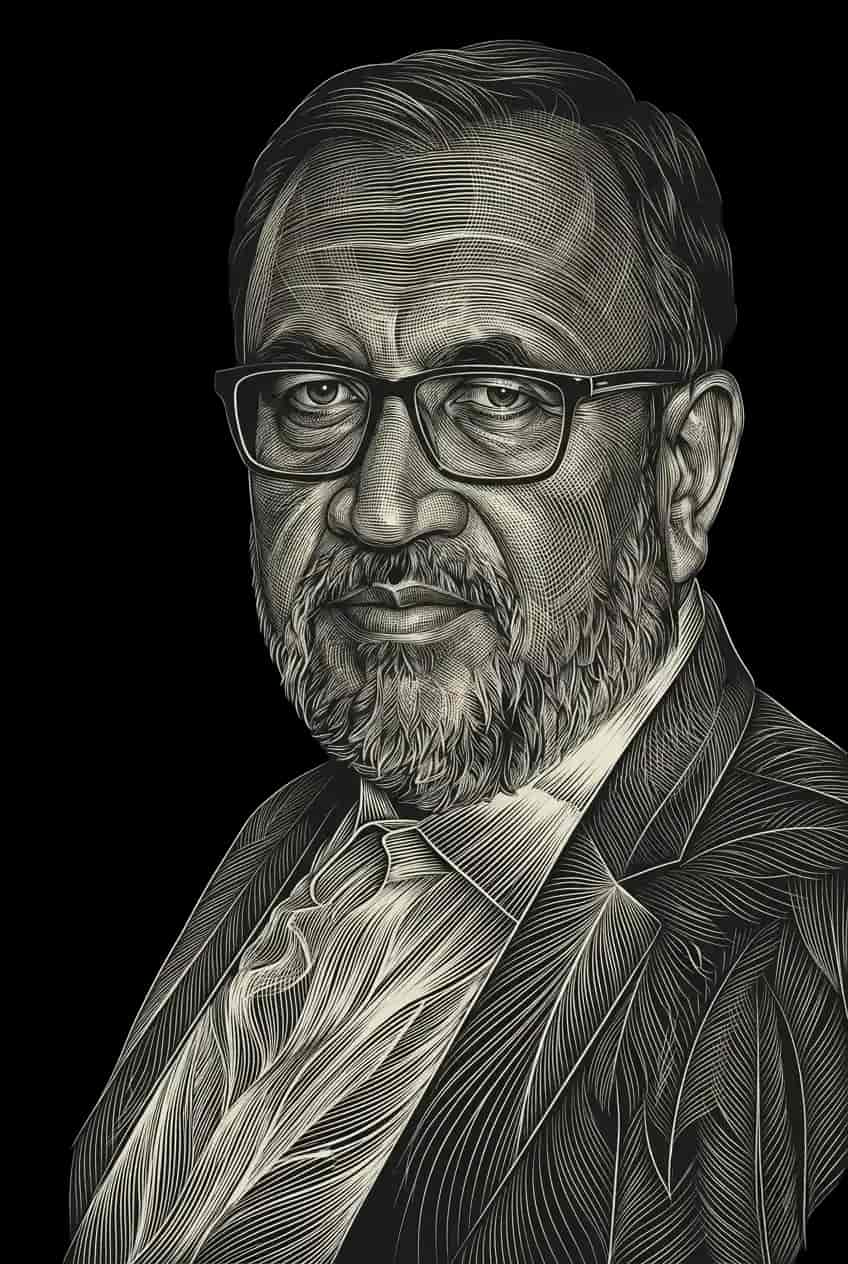
Afghanistan Oral History
The Journalist's Burden
Documenting War While Living It
Summary
Noor Ahmad Noori spent twenty years as a journalist covering the Afghan conflict for local and international media. He discusses the impossible ethical choices of conflict journalism — deciding which atrocities to cover, negotiating access with armed groups, and carrying the weight of stories he witnessed but couldn't change. He recounts specific incidents including the 2016 attack on the American University of Afghanistan, the collapse of Ghazni city in 2018, and the final days before the Taliban takeover. His testimony is a reflection on the role of media in conflict zones and the personal cost of bearing witness.
Full Transcript
Kazim Ehsan
Noor Ahmad jan, you covered the Afghan conflict for two decades. How do you even begin to process that?
Noor Ahmad Noori
You don't process it. You carry it. Every journalist who covered this war carries a library of horrors in their head. I have seen things that I cannot unsee, heard things I cannot unhear. The camera becomes your shield — you hide behind the lens and tell yourself: I am documenting, I am bearing witness, this matters. But at night, when you put the camera down, it all comes flooding back.
Kazim Ehsan
Can you tell us about a moment that stays with you?
Noor Ahmad Noori
There are too many. But one — the American University attack in August 2016. I arrived while the attack was still ongoing. There were students jumping from second-floor windows to escape the gunmen inside. I filmed a young man landing badly, breaking his leg, and crawling toward us. I had to choose: put down the camera and help him, or keep filming. I kept filming. A colleague pulled the student to safety. I still think about that choice. It was the right professional decision and it eats at me every day.
Kazim Ehsan
What happened to Afghan journalism after August 2021?
Noor Ahmad Noori
It was destroyed in a week. Hundreds of journalists fled. Those who stayed face censorship, threats, detention. Female journalists — gone from television almost entirely. Twenty years of building a free press, wiped out. I left because I had no choice — my name was on a list. I report now from exile, using sources inside the country who risk their lives to send me information. The story of Afghanistan didn't end when the cameras left. It got worse. But now almost nobody is watching.