
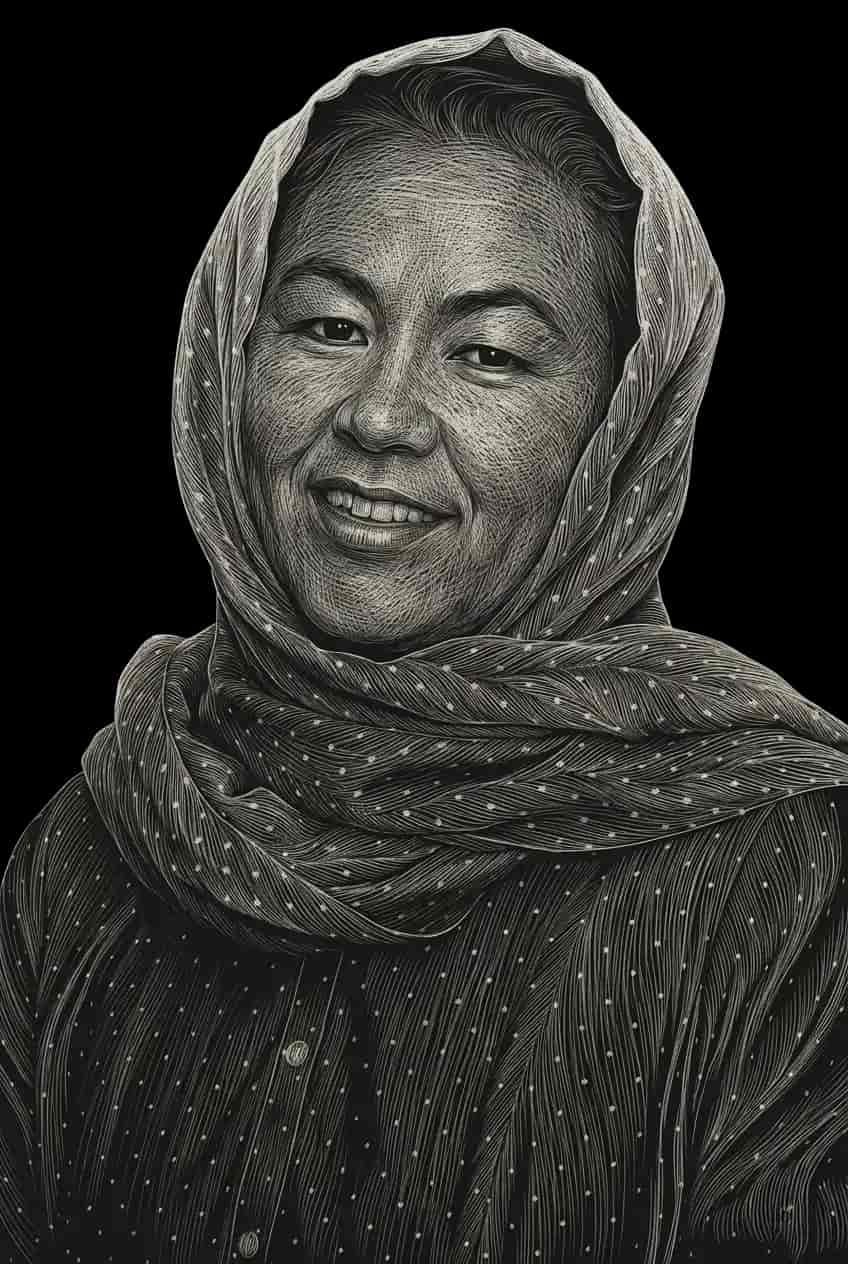
Afghanistan Oral History
Surviving the Kunduz Hospital Airstrike
A Surgeon's Testimony
Summary
Dr. Abdul Wahab Mohammadi provides a harrowing first-person account of the U.S. airstrike on the Médecins Sans Frontières (MSF) trauma center in Kunduz on October 3, 2015. As a surgeon on duty that night, he describes the moment the first bomb hit, the desperate attempts to move patients to safety, and the decision to continue operating by flashlight as the building burned around them. He discusses the aftermath — the international outcry, the investigation, and what he calls the 'hollow apology' — and reflects on the destruction of the only trauma center serving northeastern Afghanistan.
Full Transcript
Kazim Ehsan
Doctor sahib, can you describe what you remember from that night?
Dr. Abdul Wahab Mohammadi
I was in the operating theater. We had been working for almost eighteen hours straight — Kunduz had fallen to the Taliban just days before, and the casualties were overwhelming. Around 2 AM, I heard a sound I will never forget. It wasn't like a normal explosion. It was a deep, rolling thunder that shook the entire building. Then the ceiling above the ICU collapsed.
Kazim Ehsan
What went through your mind in that moment?
Dr. Abdul Wahab Mohammadi
My first thought was for my patient on the operating table. He had an open abdomen. I couldn't just leave him. My colleague and I — we tried to close him as fast as possible while the building shook. The bombing continued for over an hour. An hour. We counted at least five separate strikes. Each one closer. The fire was spreading and we could hear people screaming in the wards.
Kazim Ehsan
How many people were in the hospital?
Dr. Abdul Wahab Mohammadi
We had over 100 patients and about 80 staff. The main building took the worst of it. Forty-two people were killed — patients in their beds, colleagues I had worked with for years. One of our nurses was found still holding an IV bag, trying to move a patient. Both of them died. The operating theater where I was working was one of the few rooms that survived structurally.
Kazim Ehsan
The coordinates of the hospital were shared with military command. How do you process that?
Dr. Abdul Wahab Mohammadi
That is the part that still haunts me. MSF had given the GPS coordinates to all parties — the Afghan government, NATO, the Americans. They knew exactly where we were. During the bombing, MSF headquarters was calling Washington, calling Kabul, pleading for it to stop. And it continued. For an hour. How do you process that? You don't. You carry it.